
What beginners actually need from a jiu-jitsu coach
Reflections from my conversation with Prof. Marcelo Bonança of Gracie Barra Sainte-Anne
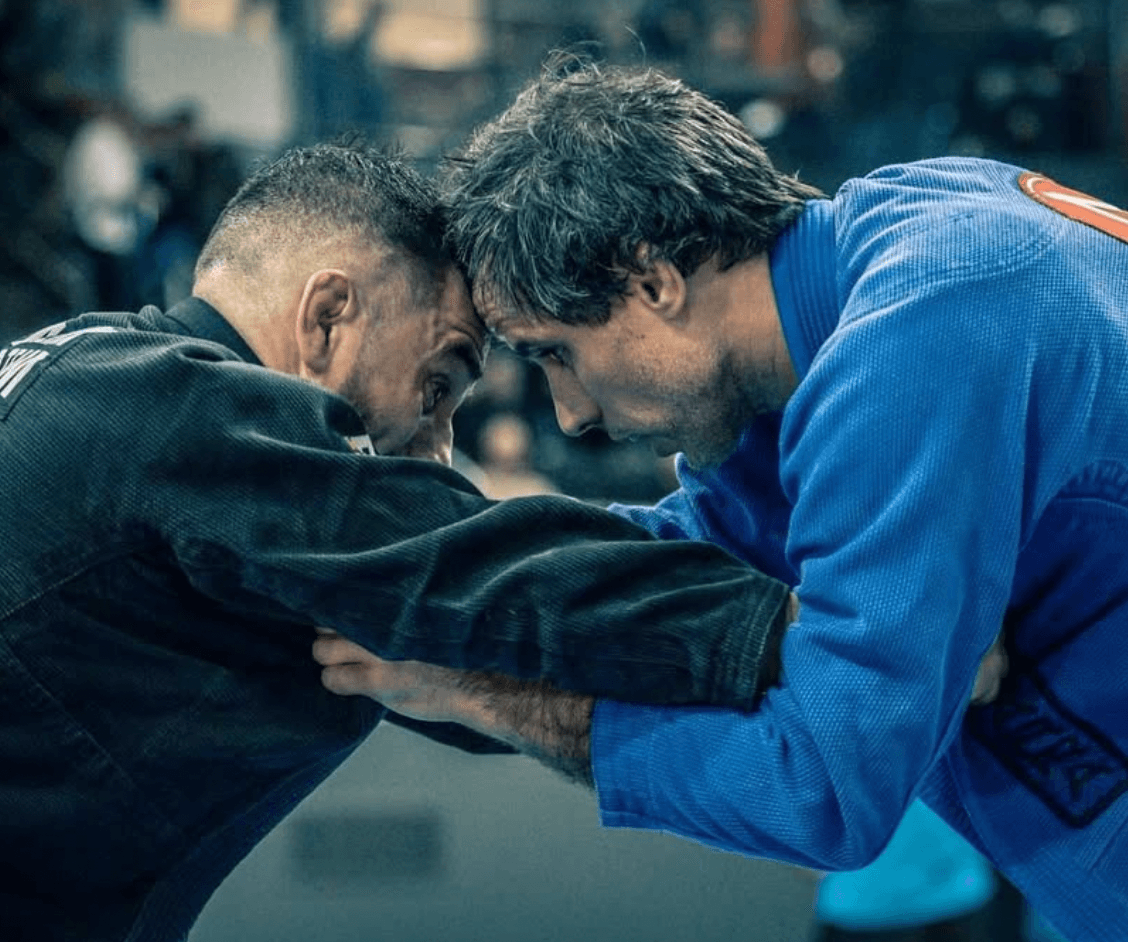
Reflections from my conversation with Prof. Marcelo Bonança of Gracie Barra Sainte-Anne.
In jiu-jitsu instruction, coaches often overload beginners with information they cannot yet process. Small details matter at advanced levels but overwhelm novice students. This tendency stems from enthusiasm rather than malice, yet the outcome remains problematic: excessive information delivered prematurely to people unprepared to retain or apply it.
Professor Marcelo Bonança of Gracie Barra Sainte-Anne emphasizes that beginners need less instruction. Simplified teaching with fewer details proves more effective. The goal is not demonstrating instructor expertise but providing students with immediately usable knowledge.
The trap of abundance
Teachers sometimes conflate abundance with depth. Classes feel productive when substantial material is covered; techniques feel complete when every detail is addressed. However, this approach undermines beginner learning by increasing cognitive load and transforming lessons into memory tests.
Bonança maintains commitment to technical progression but increasingly prioritizes fundamental concepts over technique accumulation. Core principles -- posture, balance, base -- persist long after students forget specific movement sequences. Techniques are observable; principles explain why techniques succeed. Beginners cannot yet perceive underlying mechanics, vocabulary, or patterns. Principles bridge this gap by establishing portable, universal ideas applicable across contexts.
Rather than teaching in pure abstraction, Bonança recommends concrete examples for foundational learning, gradually revealing conceptual frameworks. As he states: "The techniques will be a derivative of the concepts."
The expertise gap
Experience creates perception challenges for instructors. Coaches notice grip adjustments, angle changes, follow-up threats, and hidden vulnerabilities that beginners cannot see. This expertise gap represents a fundamental instructional problem across disciplines.
Most academy students train under non-ideal conditions. They arrive tired after work, managing families, traffic, and stress. Some enthusiasts still lack sufficient energy after professional obligations. Respecting this reality does not mean lowering standards but understanding the actual training environment instructors create.
The weight of the first class
Bonança emphasizes first-class significance. When someone summons courage to attempt jiu-jitsu, he feels responsible for creating a positive experience. He represents the art itself, standing on the shoulders of those spreading jiu-jitsu globally. This weight carries real meaning for him.
Trial students should leave feeling satisfied, having trained effectively while understanding enough to return. The challenge involves creating conditions where people discover why jiu-jitsu matters personally. His instructor once said: "your job is to make students fall in love with jiu-jitsu." Schools embracing this philosophy build long-term practice foundations beyond simple retention.
Find Gracie Barra Sainte-Anne at gbsainteanne.ca -- 37 Rue Sainte-Anne, Sainte-Anne de Bellevue, QC, Canada.